Why Does Your Michigan Basement Smell Damp? Look for These Moisture Clues
Wyoming, United States - November 23, 2026 / Everdry Waterproofing of Greater Grand Rapids /
Few things are as frustrating for a homeowner as walking down your basement stairs and being greeted by a heavy, damp, musty odor. Across Greater Grand Rapids, Lansing, and Saginaw, persistent basement smells and surface mildew are exceptionally common—especially following spring thaws or humid West Michigan summers. Even when there is no standing water visible on the floor, that damp scent signals an underlying moisture problem that jeopardizes your home’s air quality and structural components.Many homeowners attempt to solve the issue by masking the smell with air fresheners or setting up portable dehumidifiers, only to find the odor returning days later. The truth is that musty smells are direct indicators of active microbial activity. Understanding why moisture accumulates below grade and implementing a true, whole-home ventilation strategy is the only permanent way to eliminate odors and prevent toxic mold growth.
The Science Behind Musty Basement Odors
The damp scent in lower-level living spaces isn’t just trapped air—it is the chemical byproduct of organic decay. Mold, mildew, and soil bacteria release Microbial Volatile Organic Compounds (MVOCs) as they digest organic materials such as wooden floor joists, cardboard storage boxes, drywall paper, and carpet backing.
Three main environmental drivers create the ideal breeding ground for these organisms in Michigan basements: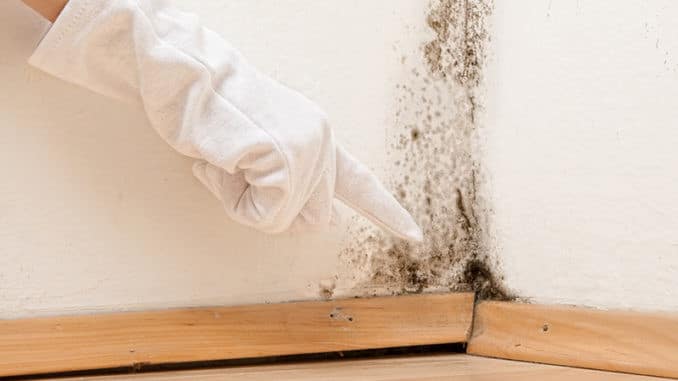
- Elevated Relative Humidity: When relative humidity in a basement rises above 50 to 60 percent, dormant mold spores absorb moisture from the air and begin germinating within 24 to 48 hours.
- Sub-Surface Concrete Sweating: Soil surrounding your foundation retains groundwater. Hydrostatic pressure forces moisture through microscopic pores in concrete block or poured foundation walls, creating damp wall surfaces and white, powdery mineral deposits known as efflorescence.
- Air Stagnation: Basements are built below grade with minimal natural airflow. Without active mechanical ventilation, moist air sits stagnant in corners and along floor joints, creating high-humidity microclimates where fungi thrive.
Why Standard Plug-In Dehumidifiers Fall Short
When faced with high humidity, most homeowners head to a local hardware store to buy a portable compressor dehumidifier. While these units extract water from the immediate vicinity, they come with significant drawbacks that prevent them from solving whole-home humidity issues:
The Problem with Re-circulating Stagnant Air
Standard portable dehumidifiers simply pull air in, remove a portion of the moisture, and release the same warmed air back into the room. They do not actively ventilate the space or exhaust airborne pollutants, mold spores, or off-gassing chemicals trapped at floor level.
High Energy Bills and Emptying Water Trays
Compressor-based dehumidifiers consume massive amounts of electricity, leading to noticeable spikes in monthly utility bills. Furthermore, if you rely on a manual collection bucket, the unit automatically shuts off once full—meaning moisture management stops until you empty it again.
The E-Z Breathe Solution: Continuous Whole-Home Air Exchange
To permanently stop musty basement odors, you must address air exchange. Rather than simply recycling stagnant air, the E-Z Breathe Ventilation System conditions your home by replacing heavy, polluted air with fresh, dry air from upper levels.
Because damp air and airborne contaminants are heavier than warm air, they naturally settle near the basement floor. The quiet, wall-mounted E-Z Breathe unit draws this cool, damp air straight from the floor level and exhausts it outdoors. As this air is expelled, clean, conditioned air from your upper-floor living spaces is drawn downward, creating a continuous, healthy circulation loop throughout the entire structure.
By creating negative pressure at the foundation level, continuous ventilation reverses the Stack Effect—the natural process where basement air moves upward into bedrooms and kitchens—ensuring damp odors and airborne mold spores can no longer invade your main living areas.
E-Z Breathe vs. Standard Dehumidifiers: A Quick Comparison
Understanding how whole-home ventilation compares to traditional appliances helps you select the right long-term defense for your property:
| Feature / Performance | Standard Portable Dehumidifier | E-Z Breathe Ventilation System |
|---|---|---|
| Air Purification & Exchange | None (re-circulates the same stagnant air) | Actively exhausts damp air, spores, and odors outdoors |
| Daily Moisture Capacity | Limited localized area (30–50 pints/day) | Large whole-home capacity (equivalent to 7 dehumidifiers) |
| Monthly Operating Cost | High ($30 to $50+ per month in electricity) | Very Low (approx. $2 to $4/month; uses power of a lightbulb) |
| Maintenance Requirements | High (daily bucket emptying or cleaning drain hoses) | Maintenance-Free (no buckets to empty or filters to buy) |
| Operation Control | Manual adjustment & constant running | Automated sensor-controlled humidistat |
Signs Your Michigan Basement Has an Air Quality & Moisture Problem
If your basement suffers from inadequate ventilation or elevated sub-surface moisture, your home will exhibit several clear diagnostic red flags:
- Persistent Damp or Mildew Odors: Musty scents that cling to stored clothing, cardboard boxes, or upholstered furniture.
- Visible Wall Sweating & Efflorescence: Chalky white powder forming on basement walls or water droplets beading on cold water pipes.
- Fuzzy Mold Growth on Organic Materials: Black, green, or white specks forming on floor joists, wooden framing, or stored items.
- Heightened Indoor Allergy Symptoms: Family members experiencing unexplained sneezing, coughing, asthma flare-ups, or eye irritation while at home.
- High Relative Humidity Readings: A digital hygrometer consistently reading above 50% relative humidity in below-grade areas.
Frequently Asked Questions
Can a musty basement smell affect the air quality in the upper levels of my home?
Yes. Due to natural air pressure dynamics known as the Stack Effect, warm air escaping through your roof pulls up to 50 percent of your home’s total air supply directly out of your basement or crawl space. This air movement distributes airborne mold spores, dust mites, and musty odors directly into your kitchen, bedrooms, and living spaces.
What is the ideal humidity level for a basement in Michigan?
The recommended relative humidity level for a healthy basement is between 30 and 50 percent. When indoor relative humidity exceeds 60 percent, it creates an optimal environment for mold germination, dust mite proliferation, and structural wood rot.
Does the E-Z Breathe system require filter replacements or bucket emptying?
No. Unlike traditional room dehumidification units, the E-Z Breathe system operates maintenance-free without buckets to empty or expensive filters to replace. It utilizes an automated, built-in humidistat to monitor humidity levels and continuously vent damp, polluted air outdoors.
Breathe Easy with a Dry, Fresh Basement
A fresh-smelling basement isn’t just about comfort—it is an essential indicator of a dry, structurally sound home. By removing floor-level dampness and establishing continuous air exchange, you protect your family’s health, safeguard your building materials, and preserve your property value for years to come.


Contact Information:
Everdry Waterproofing of Greater Grand Rapids
5273 Division Ave S
Wyoming, MI 49548
United States
Rob VanSuilichem
(616) 406-0808
https://www.everdrygrandrapids.com

